


Here’s the quote that inspired this article.
“These people are so stupid. I almost feel bad for taking advantage of them.”
That sentence was typed by a Live Nation executive. Not in a private diary, not in a moment of dark irony, but into a company Slack channel, to a colleague, about the fans buying tickets to concerts. That executive, Ben Baker, is not a rogue middle manager. He is currently Live Nation’s head of ticketing, overseeing more than 150 amphitheatres across the United States.
The message wasn’t sent recently when Live Nation posted a full-year 2025 revenues of $25.2 billion. It was sent in 2022. The company knew. Nobody was fired. Tickets kept getting more expensive. And none of us knew until a federal courtroom made it public in March 2026.
This along with a Grammy-nominated pop star signing a deal with an AI music startup. And a prominent band suing their label for allegedly underpaying them by more than $800,000. This is the music industry in 2026.
If you ever felt like the music industry is treating you like a wallet with ears, you weren’t being paranoid. You had it exactly right.
“Robbing Them Blind, Baby”
The most viscerally damning story of the month came from a federal courtroom.
The Slack messages surfaced during the ongoing U.S. Department of Justice antitrust trial against Live Nation and Ticketmaster, after media organisations successfully petitioned for their release. In the same thread where Baker wrote about “almost” feeling bad, his colleague Jeff Weinhold boasted about charging fans $50 to park in the grass, $60 for closer grass, and $250 for VIP parking at a single Virginia concert.
“Robbing them blind, baby, that’s how we do it.”
Weinhold wrote.
Live Nation’s public response was a masterpiece of corporate distancing. A spokesperson told The Daily Beast that the messages were from “one junior staffer to a friend” and “absolutely don’t reflect our values or how we operate.” Baker, again, runs ticketing for over 150 venues. The company claimed it only learned of the chats “when the public did,” which is either an admission of catastrophic internal communication failure or a lie. Neither is a good look.
The timing makes this scandal harder to dismiss. Just days before the messages emerged, the DOJ announced it had reached a $200 million settlement with Live Nation, which includes capping amphitheatre service fees at 15% of the ticket price. More than half of the 39 states involved rejected the settlement as inadequate. Now we know why fans and state attorneys general were right to feel short-changed.
The people designing those fees have been openly describing their customers as targets to be exploited.
A fee cap means nothing when the people enforcing the pricing policy think you are stupid for even showing up to one of their events.
Charlie Puth Signs With an AI Music Company, Lending It Credibility
The same week Live Nation’s scandal dominated headlines, a quieter story appeared that deserves just as much attention and scrutiny.
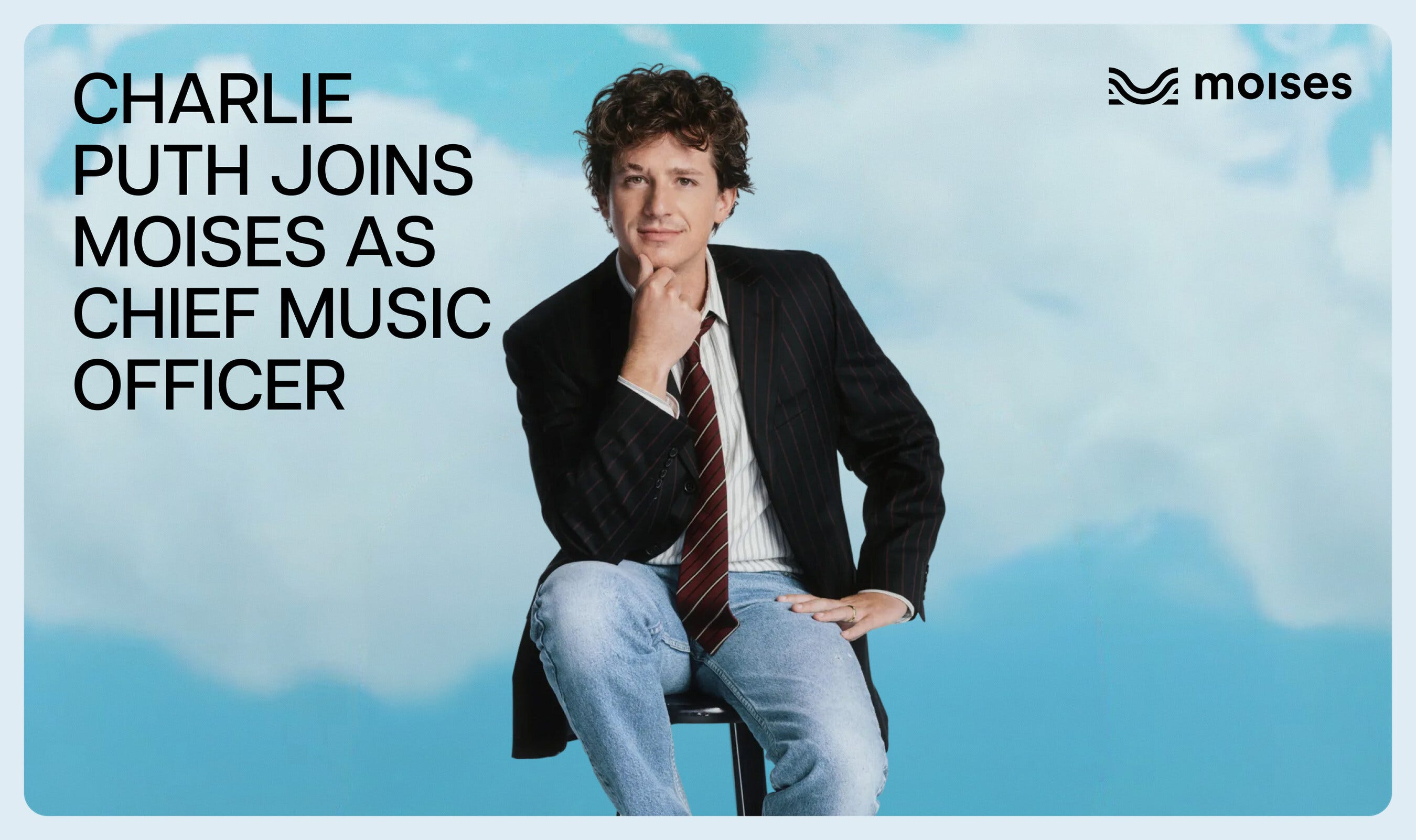
Grammy-nominated singer-songwriter Charlie Puth has joined AI music startup Moises as its Chief Music Officer. The platform, backed by $52 million in total venture funding and boasting over 70 million users, allows musicians to isolate vocals and instruments, identify chords, and manipulate existing recordings. Puth’s public framing was warm and measured.
“AI, when done right, isn’t here to replace musicians. It’s here to help artists learn, explore, and bring their ideas to life.”
He’s not alone in lending his name to the sector. AI remix application Hook lists The Weeknd, Lil Wayne, and Killer Mike among associated acts. Grimes has been running a fan voice-model licensing programme since 2024, expanding it with tiered monetisation in 2026. Spotify has partnered with Sony, Universal, Warner, Merlin, and Believe to develop generative AI tools. And Universal Music Group announced a parallel collaboration with sample platform Splice to build “the next generation of AI-powered music creation tools.”
Here is what gets left out of every single one of these press releases.
When a household name with a record deal, stadium tour dates, and a national anthem performance at the Super Bowl signs on as a Chief Music Officer of an AI music company, they are not empowering struggling musicians or independent producers. They are lending corporate legitimacy to a technology sector that is systematically eliminating the income streams those same musicians would have relied on. I.e. jingle work, session recording, sync licensing, commercial scoring etc. As we previously documented, the AI music market is projected to grow from $3.9 billion in 2023 to $38.7 billion by 2033, with working musicians predicted to lose at least 25% of their income to automation within four years.
Puth, to be fair, is describing a genuinely different product from a Suno or an Udio. Moises is not a song-generator. It doesn’t output AI tracks from text prompts. Although what music and data they trained on is still a mystery. But the distinction matters less than the endorsement.
Every famous musician who signs onto an AI music platform makes it incrementally more socially acceptable for corporations to replace the musicians they claim to champion.
The sell-out isn’t always a villain. Sometimes it’s a well-meaning pop star who genuinely believes the marketing copy. The outcome though for every working musician below him in the food chain, is the same anyways.
‘Lit’ Has 500 Million Streams But Sony Allegedly Underpaid Them
Then there’s the story that should be a national scandal but will probably be a footnote by April.
On March 2, Lit (the band behind the pop-punk staple “My Own Worst Enemy”) filed a lawsuit against Sony Music Entertainment in the Southern District of New York, alleging breach of contract and over $800,000 in unpaid streaming royalties.
The complaint is meticulous & fascinating. The band’s original 1998 recording contract with RCA Records (now Sony) requires that audio streaming royalties be calculated on a “Net Receipts” basis which is a formula tied to what the label actually collects from DSPs, typically more favourable to artists than a flat rate. The band alleges that Sony has been paying a flat 14% rate instead.
For video streaming, the band allege Sony applied 17% rather than the contractually required 50% of net receipts. When the band’s album “A Place in the Sun” crossed gold and platinum thresholds, it should have triggered automatic royalty rate escalations that Sony allegedly never applied.
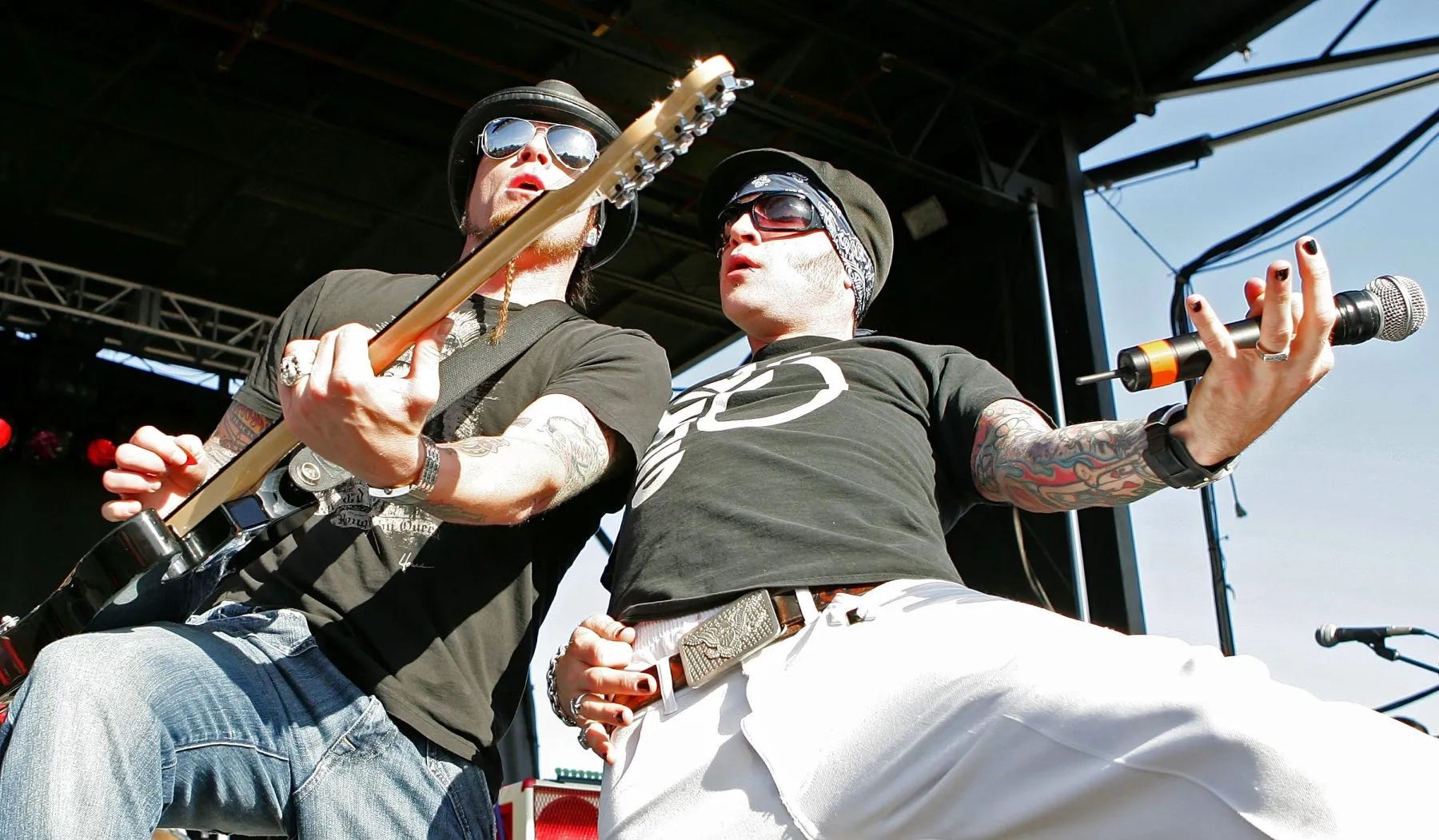
“My Own Worst Enemy” has over 500 million streams on Spotify alone. The band say they first raised accounting objections in July 2023. Sony engaged briefly, then reportedly went silent from late April 2024 onwards, providing, in the complaint’s own words, “no coherent position.”
Perhaps most damning of all is that the alleged underpayments have affected the band’s pension contributions and SAG-AFTRA health insurance eligibility.
This is no longer just a royalty dispute. It is a question of whether artists can afford health insurance & a normal life.
And this is not a one-off. The filing itself references similar suits from Enrique Iglesias against Universal, Four Tet against Domino Records, and Black Sheep against UMG, all built on the same structural problem. Pre-streaming-era contracts written before DSPs existed, and labels who have spent years hoping artists won’t notice the discrepancy, or won’t be able to afford to fight it.
Conclusion | This Isn’t Broken, This Is the Design
Three stories. Three different corners of the industry. But one common denominator.
CONTEMPT
Live Nation executives showed contempt for the fans who fund this business by joking privately about extracting money from them. The AI partnership wave shows a quieter but no less corrosive contempt for the working musicians whose livelihoods are being automated away while famous colleagues sign brand deals and describe it as empowerment. And Sony’s alleged conduct toward Lit represents the oldest contempt in the music business; the institutional certainty that artists won’t have the legal knowledge, the resources, or the stamina to demand what their own contracts say they are owed.
This industry has always extracted from creators. What is new is the simultaneity of streaming royalty manipulation, AI displacement, venue monopolisation, and ticket gouging all operating at full speed, at the same time, in plain sight.
The fan who paid $250 to park at a Live Nation amphitheatre. The session musician watching their income evaporate to a multi-million dollar AI music platform. The band with half a billion streams still fighting for $800,000 they say has been withheld since 2023.
None of them are collateral damage. They are the product.
The system is not broken. It is working exactly as designed. The question is whether people are angry enough to demand something different…
🫵🏼 What do YOU think? Do the leaked Live Nation chats change what you think about attending concerts? And what do you make of famous artists signing onto AI music platforms? Are they selling out, or are they just oblivious to the consequences?
💬 If this one got under your skin, share your thoughts below & share this investigation with every artist and music fan you know. These stories disappear fast when nobody’s watching. The future of human creativity depends on holding these companies accountable. Consider supporting artists directly through platforms like Bandcamp, where musicians set their own prices and keep a fair share of revenue.
🤝🏼 Join us at Vinyl Culture as we continue exploring ways to preserve and evolve an authentic music culture in an age dominated by algorithms and corporate interests. We are building something that will revolutionize the music industry by creating an Artist-centred and Community-driven platform, leveraging both the offline & online medium. We will empower artists by allowing them to share their art and creativity directly with the fans. More on this soon…
6️⃣5️⃣0️⃣0️⃣+ SUBSCRIBERS have now joined our mission to protect The Soul of Music in the age of algorithmic manipulation & AI. Thanks a lot to each & every one of you!! 🫵🏼 🤝🏼🙌🏻 Together, we can make a difference.


They have tough competition but Live Nation may be the worst company in the history of the world. Not a single solitary redeeming feature!
Live Nation needs to be monopoly busted. Power corrupts absolutely.