


The music industry has always had a talent for spectacular hypocrisy, but October 2025 delivered what may be its most brazen betrayal yet. Universal Music Group just settled its lawsuit against AI music generator Udio and announced a partnership to launch an AI music platform in 2026. This is the same company UMG accused of “mass copyright infringement” only 16 months ago.
The pattern is unmistakable: Sue for leverage, Negotiate for profit, Settle for partnership.
The lawsuit was never about protecting artists from AI; it was about ensuring that labels control the terms of AI’s access to those artists & have a share in the profits made by these AI music companies.
The October Double-Cross | From Courtroom to Boardroom
On October 30, 2025, Universal Music Group announced it had settled its copyright infringement lawsuit against Udio and would now partner with the AI company to launch a “new licensed AI music creation platform” in 2026. The deal ends UMG’s involvement in the very lawsuit it filed in June 2024, accusing Udio of training its AI on copyrighted music at “an almost unimaginable scale” without authorization.
Sony Music Entertainment and Warner Music Group are still actively litigating against Udio, and all three major labels continue their lawsuits against Suno.
Universal simply decided to exit the courtroom and enter the boardroom first.
The settlement includes what both companies diplomatically call a “compensatory legal settlement” alongside new licensing agreements for UMG’s recorded music and publishing catalogs. Financial terms were not disclosed, and neither company revealed how (or IF) settlement money would be distributed to artists whose work was allegedly infringed.
The timeline exposes the strategy with brutal clarity. In June 2024, UMG accused Udio of copyright theft. By October 2024, the Financial Times reported UMG was “within weeks” of licensing deals with the same companies it was suing. One year later, the lawsuit became a partnership with UMG now licensing the exact catalog it claimed was stolen.
Universal CEO Lucian Grainge framed the reversal as principled innovation:
“These new agreements with Udio demonstrate our commitment to do what’s right by our artists and songwriters, whether that means embracing new technologies, developing new business models, diversifying revenue streams or beyond.”
Universal is in-fact simultaneously partnering with multiple AI firms. On the same day it announced the Udio settlement, UMG also revealed a separate “strategic alliance” with Stability AI to “co-develop professional AI music creation tools.”
Artists Demand Answers (And Get Silence)
Within 24 hours of the announcement, the Music Artists Coalition (led by music executive Irving Azoff) issued a statement demanding transparency on revenue splits, artist consent mechanisms, and how settlement payments would be distributed.
Azoff stated
“Every technological advancement offers opportunity, but we have to make sure it doesn’t come at the expense of the people who actually create the music, i.e. artists and songwriters. We have seen this before where everyone talks about ‘partnership,’ but artists end up on the sidelines with scraps. Artists must have creative control, fair compensation and clarity about deals being done based on their catalogs.”
The coalition’s Executive Director, Ron Gubitz, drew a sharp distinction between permission and partnership:
“Artist opt-in sounds promising, but participation without fair compensation isn’t partnership; it’s just permission. Artists create the work that makes these AI systems possible. They deserve both control over how their work is used and appropriate compensation for its value generation.”
Billboard reported that the new Udio platform will only include contributions from UMG artists “who opt-in.” Artists who participate will reportedly be promised some compensation for both model training and when their songs are remixed. But critical questions remain unanswered:
What percentage of revenue goes to artists versus labels versus AI companies?
Will settlement payments be distributed to artists or applied against unrecouped balances?
How will consent work when multiple songwriters or performers on a single track disagree?
Who controls how an artist’s work functions within AI systems, and will artists have ongoing visibility?
Are opt-in mechanisms genuinely voluntary, or will they be economically coerced through contract pressure?
As of this writing, Universal has not publicly addressed these concerns.
The Fine Print Betrayal | No Artist Consent Required
Here’s where the betrayal cuts deepest:
Major labels don’t really plan to seek artist consent for these AI licensing deals except in narrowly defined circumstances.
In an internal memo to Universal Music employees last month, CEO Lucian Grainge clarified the company’s position with remarkable candour.
“Universal will NOT license any model that uses an artist’s voice or generates new songs which incorporate an artist’s existing songs without their consent,”
he wrote. The implication is unmistakable! For EVERYTHING else; including using artists’ recordings to train AI systems, consent will NOT be sought.
One senior label executive reportedly dismissed concerns by claiming artists say “I trust you to do the right deals on my behalf.”
But the International Artist Organisation (IAO) warns that labels “may be entering into AI licensing agreements without having the legal or contractual authority to license artists’ performances.”
In many jurisdictions, performers hold exclusive rights to their recorded performances, and using those performances for AI training “typically requires explicit, prior consent.” Most artist contracts don’t account for AI-related uses, meaning labels may be licensing work “outside the scope of what the label is authorized to license.”
This matters because these aren’t minor supplementary uses. AI training requires copying entire catalogs into datasets that will shape generative models for years to come.
The Equity Grab | Repeating the Spotify Playbook
The licensing negotiations reveal labels demanding equity stakes in AI companies as part of their deals.
This is an exact replay of the Spotify strategy, where Universal secured early ownership that has ballooned to approximately $3 billion in value.
That wealth was never meaningfully shared with artists. While Universal pledged to distribute proceeds from any Spotify stake sale, the company has never sold its shares, meaning artists have received nothing from billions in paper value created by their work.
The IAO warns this pattern will repeat with AI deals:
“Equity gains for labels are rarely shared with artists, despite being derived from their work. Worse, equity stakes create conflicts of interest where labels favour platforms they are financially invested in rather than those offering artists fairer terms.”
Licensing talks with Suno and Udio reportedly include negotiations over labels demanding ownership positions. When labels become shareholders in AI platforms, they are incentivised to maximize platform valuation; even if it means suppressing artist remuneration or favouring AI-generated content over human creators.
Spotify Joins the Profit Grab
Spotify has also announced that it will partner with Sony Music, Universal Music, Warner Music, Merlin, and Believe to develop “artist-first AI music products.” The Orwellian language is striking:
These products will “put artists and songwriters first” while artists must ‘opt-out’ rather than ‘opt-in’ by default.
Spotify claims it’s making “significant investments” in generative AI research, building a “state-of-the-art generative AI research lab.” The company insists “musicians’ rights matter” and “copyright is essential.”
But their history of continued extraction from the creators whose work built Spotify’s market capitalization begs to differ.
Timbaland’s AI Frankenstein | The Endgame Revealed
If you want to get a glimpse of where this leads, look at Timbaland’s Stage Zero.
In June 2025, the Grammy-winning producer launched an AI entertainment company with its first “artist” TaTa, described as “a living, learning, autonomous music artist built with AI.” Timbaland calls this “A-Pop” (Artificial pop 😒) and positions TaTa as “the first artist of a new generation” where “artists of tomorrow won’t just be human.”
But the same month revealed the darker implications of Timbaland’s AI adventures. The producer faced widespread backlash after uploading independent producer K Fresh Music’s beat from TikTok into Suno AI without his permission. Also note that Timbaland is the creative director & the face of Suno AI.
The AI-generated track even retained K Fresh’s producer tag, yet no credit or compensation was offered. Timbaland initially defended this as a “remix” but after mounting criticism, issued an apology admitting he “should have done his due diligence.” His attorney clarified that while the act violated Suno’s terms of service, it didn’t violate the law! This exposes how current legislation fails to protect creators from AI exploitation.
TaTa represents the industry’s fantasy. A completely synthetic performer who is “IP, code and robotics” that can be owned, controlled, and monetized 100% by executives.
This is what labels see when they negotiate equity stakes in AI platforms. Not tools to empower human artists, but systems to replace them entirely with synthetic performers who don’t need contracts, don’t demand fair compensation, and never say NO.
AI Artists Hit the Billboard Charts | The Endgame Is (Already) Here
While labels negotiate behind closed doors, synthetic artists are already conquering the charts.
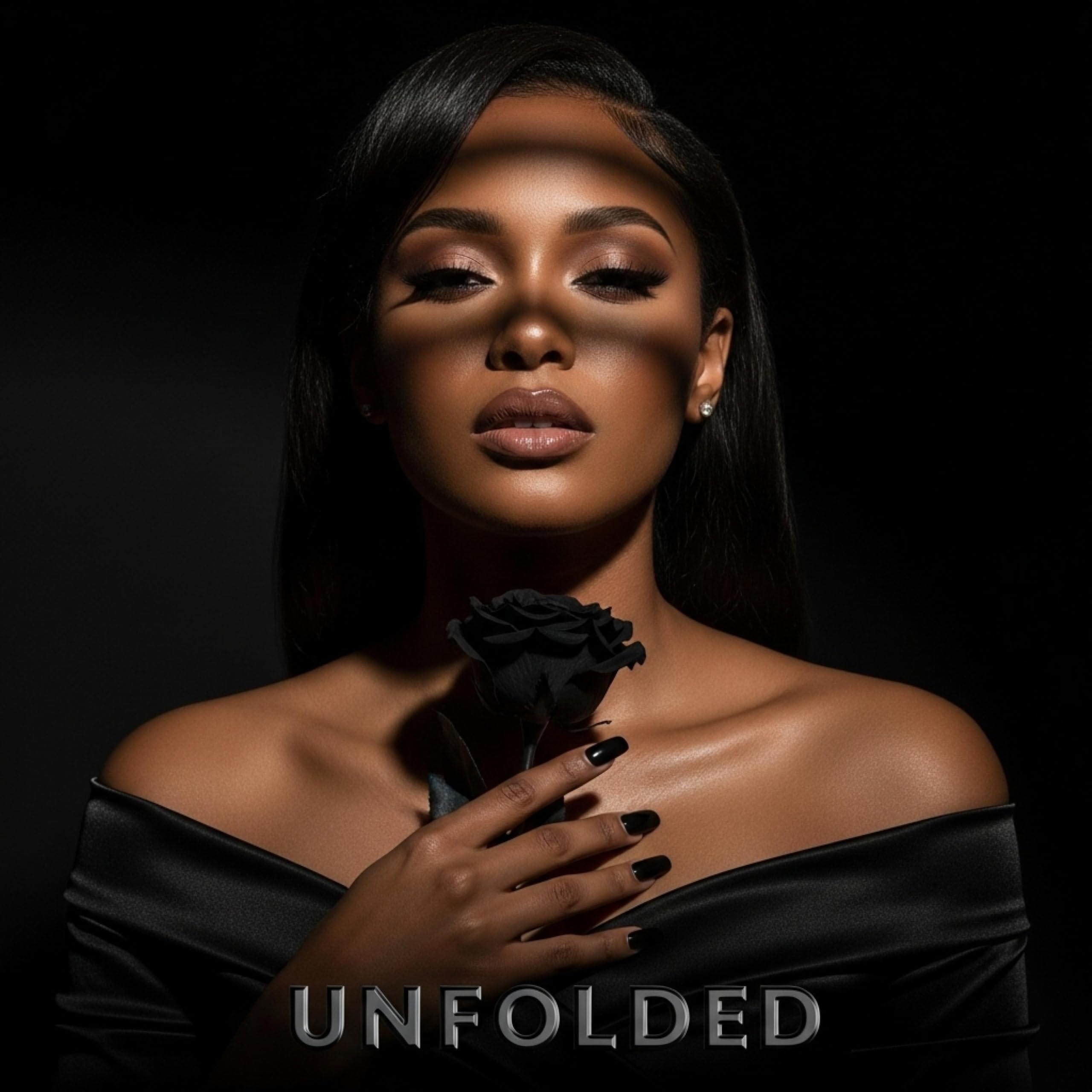
On November 2, 2025, Xania Monet became the first AI-powered artist to debut on a Billboard airplay chart, landing at No. 30 on the Adult R&B Airplay chart with “How Was I Supposed to Know?.” The track also topped the R&B Digital Song Sales chart.
Xania Monet is an AI avatar created by Mississippi poet Telisha “Nikki” Jones, who writes the lyrics and uses Suno AI to generate the music. Since her debut in August, Monet has amassed 44.4 million official streams in the United States, generating over $52,000 in revenue. In September, she secured a $3 million recording contract with Hallwood Media. This was a deal negotiated by former Interscope executive Neil Jacobson after what Billboard described as “a bidding war.”
Monet is not alone. Billboard reports that for the past four consecutive weeks, at least one AI-generated artist has appeared on their charts; a trend that’s accelerating rapidly.
Breaking Rust, an AI country music act, debuted last week with “Livin’ On Borrowed Time” and christian AI artist Juno Skye appeared recently on the emerging artists chart. Most of these ‘artists’ do not disclose their synthetic nature in streaming platform descriptions.
Grammy-nominated artist Kehlani expressed the frustration many human musicians feel, posting on TikTok (before deleting the video):
“There is an AI R&B artist just signed for a million-dollar [deal]... and that person is doing none of the work. I can’t respect it.”
The Lawsuits Continue (With One New Fighter)
While Universal exits its litigation against Udio, Sony and Warner continue fighting both Udio and Suno in U.S. courts (until they finalize their own deals.)
But just last week, Denmark’s music rights organization Koda also filed a landmark copyright lawsuit against Suno in Copenhagen City Court.
Koda is accusing Suno of “the biggest theft in music history.” The organization presented evidence showing similarities between AI-generated tracks and original works by Danish artists including Aqua, MØ, and Christopher. Koda also claims Suno obtained audio files through stream-ripping from YouTube and scraped song lyrics without authorization.
They are demanding court declarations that Suno illegally used members’ repertoire to train AI models and made those works available to the public through its service.
The organization is calling for “a clear, industry-wide standard demanding consent, transparency and remuneration from tech companies.”What This Means for Music’s Future
By 2026, we’ll see the first major label-endorsed AI music generators trained on copyrighted catalogs. These tools will carry the legitimacy that unauthorized platforms lack, potentially dominating the market while labels collect royalties and equity appreciation.
Artists whose work trained these systems will probably not have genuinely consented, won’t receive transparent accounting, and won’t share in equity windfalls.
Meanwhile, platforms will flood with AI-generated content that competes with human creators for attention and royalty pools.
As these tracks multiply, working musicians face an existential question:
How do you compete with synthetic performers who don’t need royalties, don’t take breaks, and can generate content at machine scale?
The answer, according to major labels’ actions is YOU DON’T.
You become obsolete while executives who control your catalog (or executives who have nothing to do with your music if you are an independent musician) extract value from AI companies, pocket equity stakes worth billions, and build the synthetic replacement workforce.
As mentioned above in the section “Artists Demand Answers (And Get Silence),” the Music Artists Coalition outlined the questions every artist and music fan should be asking. Until these questions are answered with contractual transparency and legal accountability, every AI licensing deal represents a potential betrayal of the artists whose work makes these systems possible.
This is the music industry’s most brazen betrayal yet! And it’s happening RIGHT NOW, in boardrooms and courtrooms, without artists’ consent and without meaningful transparency about where the money will flow.
Not just musicians but all creatives should know about this & act on it before it’s TOO LATE. YOU have the power to STOP this; don’t let the industry ‘experts’ tell you otherwise.
🫵🏼 What do YOU think? Should artists have the right to consent before their work trains AI systems? Should labels be required to share equity gains from AI partnerships? If you’re a musician affected by these developments, we want to hear your story.
💬 Share your thoughts below & share this investigation with every artist and music fan you know. The future of human creativity depends on holding these companies accountable.
🤝🏼 Join us at Vinyl Culture as we continue exploring ways to preserve and evolve an authentic music culture in an age dominated by algorithms and corporate interests. We are building something that will revolutionize the music industry by creating an Artist-centred and Community-driven platform, leveraging both the offline & online medium. We will empower artists by allowing them to share their art and creativity directly with the fans. More on this soon…
3️⃣0️⃣0️⃣0️⃣+ SUBSCRIBERS have now joined our mission to protect The Soul of Music in the age of algorithmic manipulation & AI. Thanks a lot to each & every one of you!! 🫵🏼 🤝🏼🙌🏻 Together, we can make a difference.


Rolling Stone reported that WMG has settled with Suno and Kyncl called it “a victory for the creative community that benefits everyone.” You pinpointed the endgame very succinctly and aptly pointed out that the same thing happened with Spotify.
Those of us who care about saving the soul of music must remain strong and steadfast. Otherwise, the end may be near 😔